Omotoyosi Popoola
Feb 24, 2026
If you’re considering an instant loan to handle an emergency or urgent expense, one of the first questions that comes up is:
“What are the typical interest rates for short-term loans ?”
Whether you’re using a loan app in Nigeria, applying for online loans, or comparing the best loan apps in Nigeria, understanding how interest works can help you avoid costly mistakes.
In Nigeria’s fast-growing digital lending market, regulated loan providers have made access to personal loans easier than ever. But interest rates vary widely depending on the lender, your credit profile, and the repayment period.
What Are Short-Term Loans?
Short-term loans are credit facilities designed to be repaid within a short period, typically 7 days to 6 months.
They are commonly offered through:
Loan apps in Nigeria
Digital lending platforms
Fintech companies
Some microfinance banks
Most are:
Unsecured (loan without collateral)
Processed digitally
Disbursed quickly (often within minutes)
Used for urgent needs like rent, medical bills, school fees, or business restocking
This is why they are often called:
Instant loan
Urgent loan
Quick loan apps
Typical Interest Rates for Short-Term Loans in Nigeria
Now to the key question.
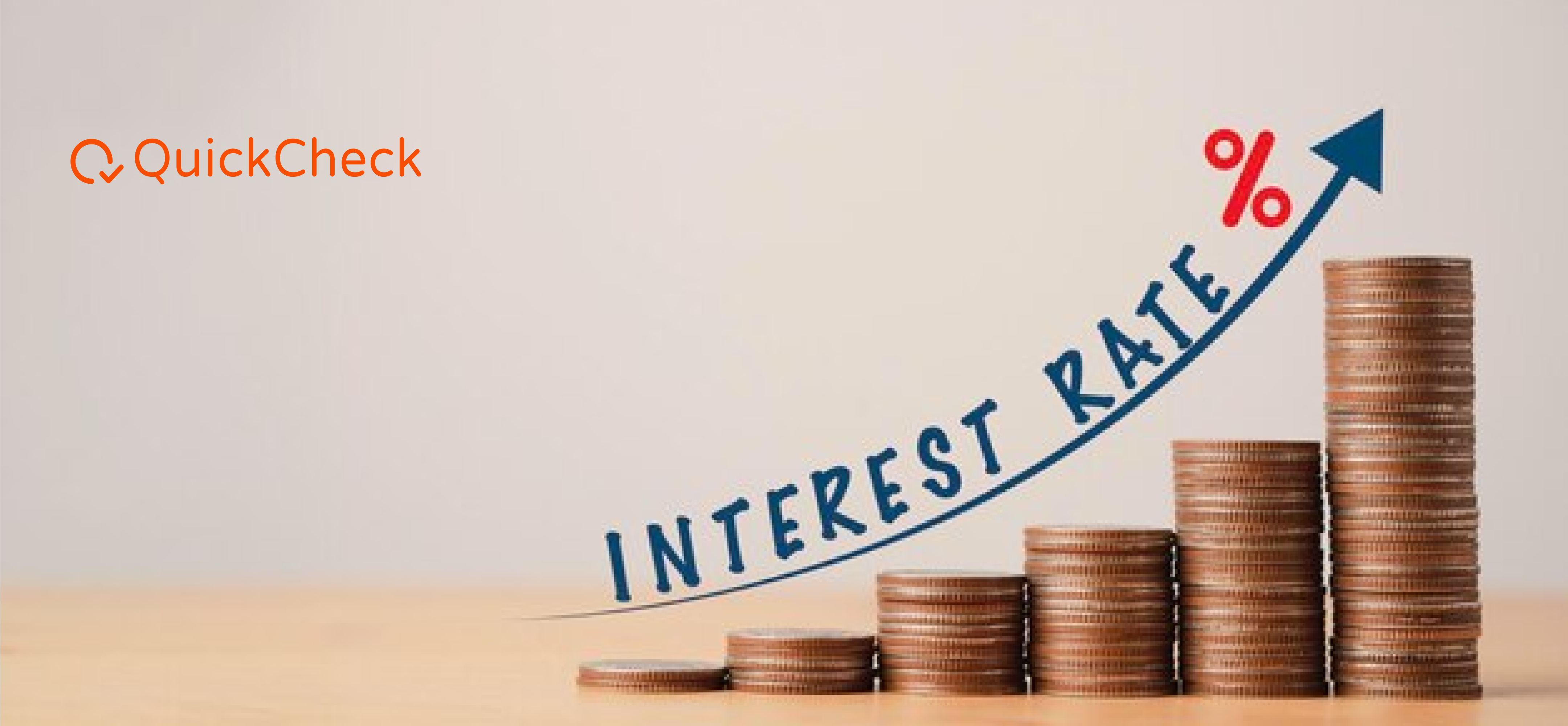
Interest rates for short-term loans in Nigeria typically range between:
1. Flat Monthly Rates: 5% – 30% per month
Some lenders charge a flat rate monthly. For example:
₦50,000 loan at 15% for 30 days = ₦7,500 interest.
2. Annual Percentage Rate (APR): 60% – 360%+
When converted to APR (which shows the true yearly cost), short-term lending can appear very high because of the short repayment window.
3. One-Time Service Fees
Some loan apps combine:
Interest
Processing fees
Platform fees
Always check the total repayment amount, not just the interest percentage.
Why Do Loan Apps Charge Higher Interest?
Many borrowers ask:
“Why are interest rates higher than bank loans?”
Here’s why:
No collateral (higher risk for lenders)
Instant disbursement
No paperwork
Short repayment period
Limited credit history data
Because these are loans without collateral, lenders price at risk.
What Affects Your Interest Rate?
Not everyone gets the same rate. Your interest rate depends on:
Credit history
Past repayment behaviour
Loan amount
Loan tenure
Internal risk scoring by the loan app
Many regulated loan apps in Nigeria, including QuickCheck, reward consistent repayment with improved loan limits and potentially better pricing over time.
How to Find a Low-Interest Loan
If you’re searching for a low-interest loan, here’s what to compare:
1. APR Transparency
Does the lender clearly state APR?
2. Repayment Flexibility
Longer tenures often reduce repayment pressure.
3. Hidden Charges
Look for:
Late fees
Rollover penalties
Early repayment penalties
4. Credibility & Reviews
Stick with recognised platforms and check if they comply with regulatory guidelines.
Comparing Loan Apps in Nigeria
There are hundreds of loan apps available today. When reviewing the top 10 loan apps in Nigeria or evaluating the best loan apps in Nigeria, consider:
Transparent pricing
Clear repayment structure
Data privacy protection
Customer support availability
Responsible lending practices
Not all quick loan apps operate ethically, so due diligence matters.
Are Online Loans Safer Than Traditional Bank Loans?
This depends on the provider.
Licensed digital lenders and reputable fintech companies offer structured online loans similar to traditional personal loans, but faster and more accessible.
However, avoid:
Apps that demand excessive phone permissions
Lenders that shame or harass defaulters
Platforms without clear terms and conditions
Real Cost Example: Understanding Short-Term Loans
Let’s look at a scenario:
Loan Amount: ₦100,000
Tenure: 30 days
Interest: 20%
You repay: ₦120,000
If you delay repayment, penalties may apply.
This is why short-term borrowing works best when:
You have a predictable income
You’re borrowing for a genuine urgent need
You can repay on time
When Does Taking an Urgent Loan Make Sense?
An urgent loan makes sense if:
It solves a temporary cash flow gap
It protects you from a bigger financial loss
You have a clear repayment plan
It does not make sense if:
You’re borrowing for non-essential spending
You’re stacking multiple loan apps at once
You’re unsure of repayment ability
So, what are the typical interest rates for short-term loans?
In Nigeria, expect anywhere between 5% to 30% monthly, depending on the lender and your profile. Because these are instant loans, online loans, and loans without collateral, rates are typically higher than traditional bank personal loans.
The key is not just finding the fastest loan app, but selecting a transparent lender that encourages responsible borrowing. QuickCheck focuses on clear terms, structured repayment, and improving customer eligibility over time.
Before choosing among the top 10 loan apps in Nigeria, ask:
What is the total repayment amount?
Is this a low-interest loan relative to my risk profile?
Can I repay comfortably?
Used wisely, short-term borrowing can be a helpful financial bridge. Used carelessly, it can become expensive.
Make informed decisions. Borrow smart.
FAQs
1. Which loan app gives money immediately in Nigeria?
Many instant platforms disburse within minutes after approval. Approval speed depends on identity verification and eligibility.
2. Which loan app in Nigeria has the lowest interest rate?
Interest rates vary across loan providers. QuickCheck offers competitive interest rates with flexible repayment terms.
3. Can I get a loan without collateral in Nigeria?
Absolutely. Trusted apps offer loans without collateral, requiring only your BVN and phone verification.
5. Are loan apps legal in Nigeria?
Yes, loan apps are legal only if they are registered with the FCCPC or operated by a CBN-licensed bank or Microfinance Bank. Apps outside these frameworks may expose users to harassment and data misuse.